4.9 on Google (405) 242-3342 Request Service
Residential Electrical Service

Electrical code compliance & permit work in Oklahoma City.

A correction notice, a failed inspection, or work somebody did without a permit - we diagnose it, correct it, pull the permit, and stand there with the inspector until it passes.

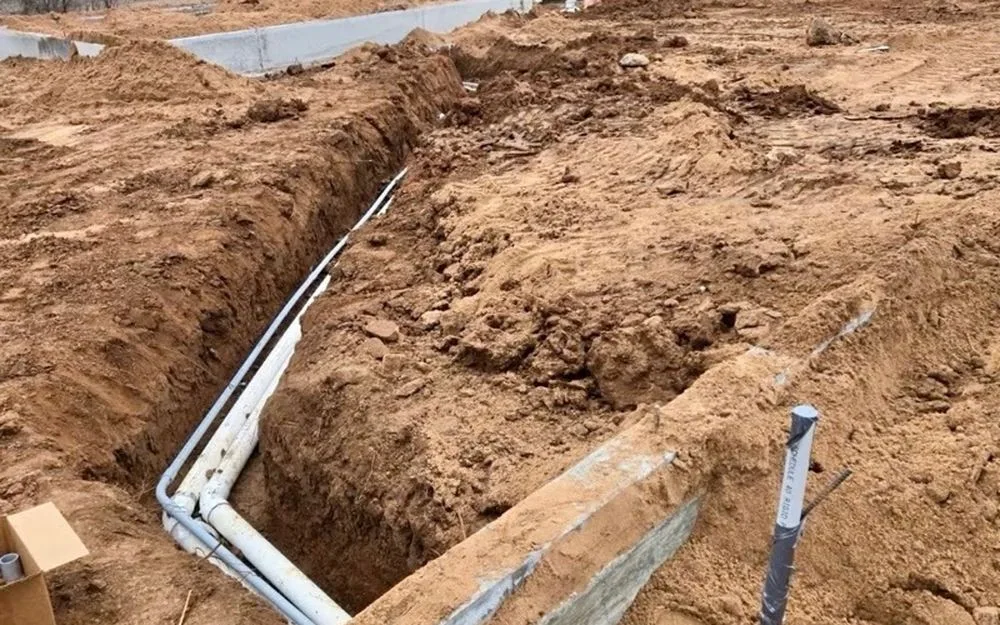
Electrical conduit run in a foundation trench on an Oklahoma City new-construction site
Overview

Correcting the work and getting it signed off.

Code compliance work almost always starts with a piece of paper somebody else wrote. A city inspector left a correction notice. A rough-in or final inspection got failed. A buyer's inspector or an appraiser found a finished garage, an added subpanel, or a converted room that no permit record exists for. A lender or an insurance carrier is asking for proof the work was done right. Whatever the source, the situation is already defined by someone with authority, and you need it resolved.

Our part is four things: read what was actually cited and find the real condition behind it, correct that condition to the code the jurisdiction enforces, pull the permit that should have been pulled in the first place, and be on site when the inspector comes back so it gets signed off. The deliverable here isn't a document we write - it's approved work and a permit somebody else closed.

That's what separates this from an electrical safety inspection. An inspection is proactive and informational: you order it, we evaluate the system, you get a written report, and no municipality is involved. Compliance work is reactive and corrective: a finding already exists, a permit record is in play, and the job isn't finished until an inspector says it is. Sometimes an inspection leads here. More often this work arrives already flagged, on someone else's calendar.

Benefits

What getting it resolved properly buys you.

1

A closed permit, not a verbal assurance

Unpermitted work is a paperwork problem as much as a safety one. Buyers' agents, title companies, lenders, and insurance carriers all want a record they can point to, and "an electrician looked at it" isn't one. A closed permit is.

2

One party dealing with the city

Homeowners trying to resolve this alone tend to get routed between departments, forms, and inspection windows. We pull permits across metro municipalities as a matter of routine, so the process is a normal Tuesday for us instead of a research project for you.

3

The cause fixed, not just the citation

It's possible to satisfy the exact wording of a notice and leave the actual problem in the wall. That's how a job passes once and fails the next time somebody looks. We correct the condition, which is also the only version that makes the house safer.

4

It stops being an open item

An unresolved notice or an open permit doesn't sit quietly. It resurfaces at the worst possible moment - during a closing, on a new permit application, or when a carrier reviews a claim - and it costs more attention every time it does.

Signs you need this

When compliance work is what you actually need.

This is the right service - rather than an inspection or a standard repair - if any of these apply:

  • A city inspector left a correction notice or red-tagged the job
  • Your remodel or addition failed its electrical rough-in or final inspection
  • A buyer's inspector or an appraiser flagged work that was never permitted
  • Title work turned up an open or expired permit on the property
  • You bought a house and found a finished-out garage, a converted room, or an added subpanel with no permit history
  • You applied for a new permit and the city surfaced old, unresolved work first
  • A previous contractor pulled a permit, did the work, and never called for the final inspection
  • Your insurance carrier wants documentation that electrical work was done to code
  • You inherited handyman or DIY work: splices outside of boxes, undersized conductors, missing GFCI or AFCI protection, a subpanel with neutrals and grounds bonded together
  • You're mid-project and the work has been stopped until the electrical is resolved

If none of that describes you and nobody has cited anything - you just want to know the condition of your system - what you want is an inspection, and we'll say so rather than selling you a permit you don't need.

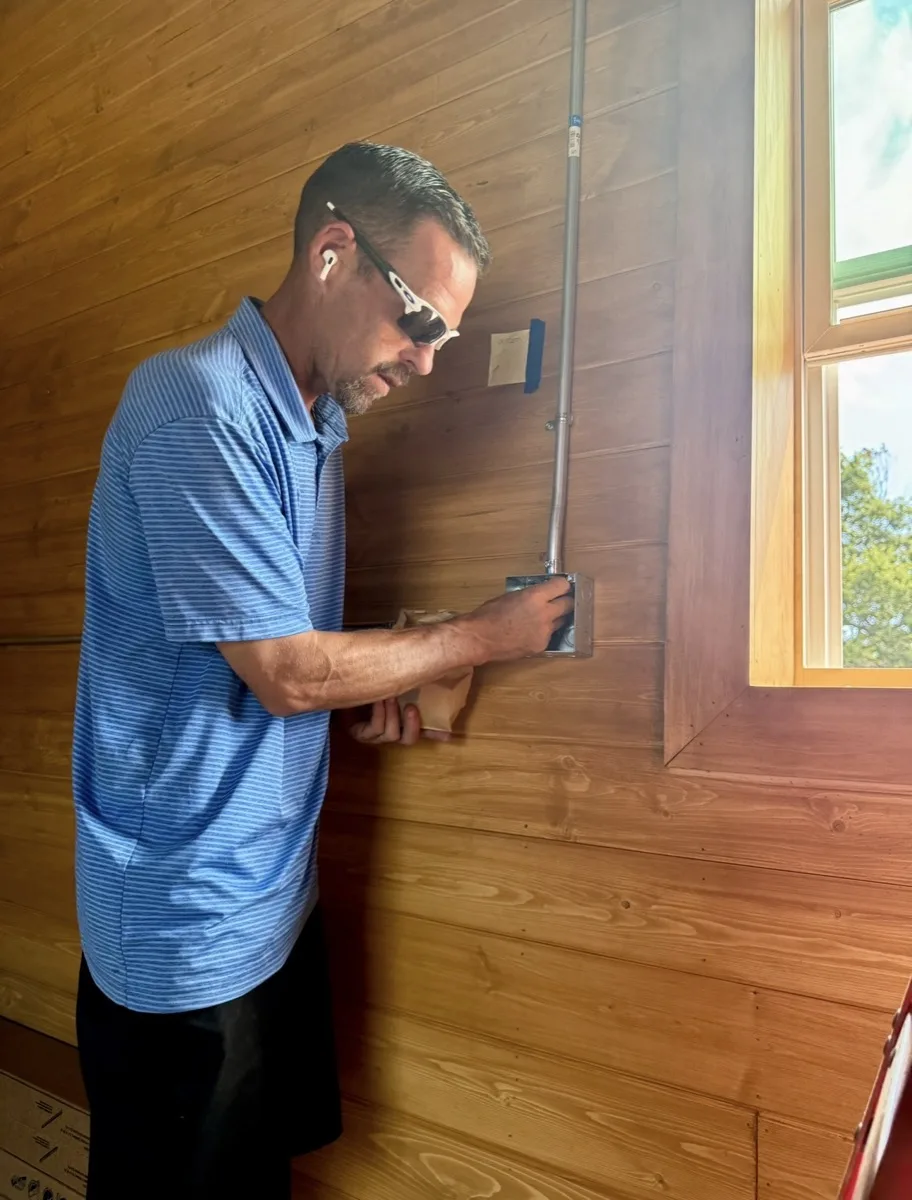
Electrician installing an outlet box on a wood-paneled wall in an Oklahoma City home
Pricing guidance

What drives the cost of code corrections.

Nobody can price this off the notice alone, because the notice describes what was visible, not what's behind it. Here's what genuinely moves the number:

  • What's actually wrong versus what got cited, and how old it is. A missing GFCI device and a kitchen circuit run in undersized cable can produce nearly identical language on a notice and wildly different scopes of work. The age of the installation matters too - which code cycle the correction is evaluated against, and what the original work was built to, both affect how much has to change.
  • How much has to be opened, and whether it can be corrected in place. Inspectors approve what they can see, so concealed splices and buried runs in finished walls, ceilings, or a completed garage mean access work before the correction even starts. Some non-compliant installations can then be brought into conformance as they sit; others were wrong at the cable, and the honest fix is a new run.
  • How many separate items there are, and where. Six corrections in one panel is a very different day from six corrections scattered across an attic, a crawlspace, and a detached garage.
  • Which jurisdiction you're in. Oklahoma City, Edmond, Norman, Moore, Yukon, and the surrounding municipalities each set their own permit fees, re-inspection policies, and scheduling lead times.
  • Whether the panel or service is part of the problem. Corrections sometimes trace back to the service itself, which turns into a separate, larger scope we'll price transparently rather than folding in quietly.

You get a firm price in writing before we schedule, and if the scope grows once something is opened, you approve the change before we keep going. Wisetack financing is available on approved credit. See financing details.

FAQ

Code and permit questions we hear most.

Can work that was never permitted be permitted now?

Usually, yes. Most jurisdictions in the metro have a path for a corrective or after-the-fact permit on residential work. What varies is how much has to be made visible again before an inspector will sign it, and whether what is behind the drywall can be brought up to standard as it sits or has to be redone. We find that out before you commit to anything.

How is this different from an electrical safety inspection?

A safety inspection is something you order for yourself - we evaluate the system and hand you a written report, with no city involvement and no deadline but your own. Code compliance work is the opposite direction: a correction notice, a failed inspection, or a discovered unpermitted job already exists, and the deliverable is corrected work and a permit an inspector has signed off.

Will you have to open up walls or ceilings?

Sometimes. An inspector has to be able to see the work being approved, so concealed splices, cable runs, and connections may need to be exposed. We open the minimum required, we tell you where and how much before we start, and we would rather show you that on the estimate than surprise you on the day.

Do you pull the permit and meet the inspector, or do I?

We do. We pull the permit with the right jurisdiction, schedule the inspection, and have someone on site when the inspector arrives so questions get answered by an electrician instead of a homeowner reading off a notice. You should not have to learn a permitting portal to fix your house.

What if the inspector finds something else at the re-inspection?

It happens, and we will not pretend otherwise. Anything we spot during the corrections that we think could come up, we tell you about in advance so you can decide whether to address it in the same trip. If something new is called at re-inspection, we handle what can be handled on the spot and put the rest in writing before doing it.

How long does the whole thing take?

The corrections themselves are often quick. The schedule is usually set by permit processing and inspection availability in your municipality, which differs from city to city across the metro. If you are working against a closing date or a deadline on a notice, tell us the date up front and we will tell you honestly whether it is achievable.

Related services

Related to compliance work.

Got a notice or a failed inspection? Start now.

This is the one kind of electrical work where waiting has a cost attached to it. Correction notices carry deadlines, cities can escalate an item that stays unresolved, and permit processing plus inspection scheduling both take calendar time you don't control. If there's a closing on the horizon, an open permit or unpermitted work is exactly the kind of thing that stalls it at the last minute.

Call and talk to a real person, send us the notice, get a firm written price, and know that if anything isn't right after we leave, Grider always makes it right. Grider Electric is licensed and insured, based in north Oklahoma City, and works on homes and new construction only - serving Oklahoma City, Edmond, Arcadia, Guthrie, Yukon, Moore, Norman, Mustang, Piedmont, Bethany, The Village, Nichols Hills, and the Deer Creek area.

← All services