4.9 on Google (405) 242-3342 Request Service
Residential Electrical Service

Electrical safety inspections in Oklahoma City.

A licensed electrician goes through your home's electrical system top to bottom and hands you a written report - what's safe, what's aging, and what needs attention - so you can decide with facts instead of guesses.

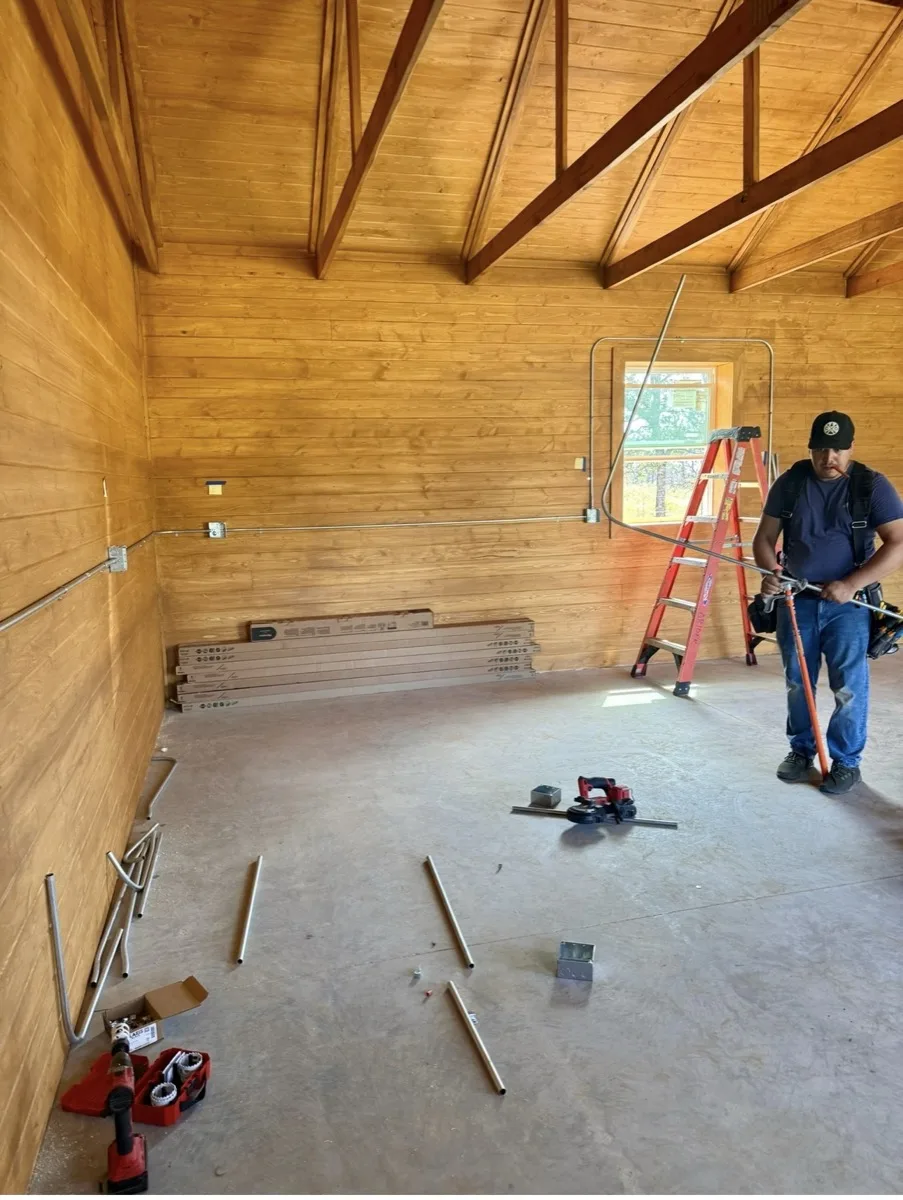
Electrician running conduit in a vaulted new-construction room in Oklahoma City
Overview

An inspection is information, not a repair visit.

An electrical safety inspection is a documented evaluation of your whole system by a licensed electrician. We open the panel and any subpanels, look at the service entrance and meter base, check grounding and bonding, confirm breakers are sized to the conductors they're protecting, sample outlets and switches room by room, test the GFCI and AFCI protection that's present, look at accessible wiring in the attic and crawlspace, check smoke and carbon monoxide alarm placement and power, and take in the garage, the exterior, and any detached structure on the property.

What we don't do on an inspection day is start replacing things. Nothing gets changed unless you ask for it as separate work. The product you're buying is the written report - photographs, findings in plain language, and each item sorted by how urgent it actually is. That's a different job from a service call, where something is already broken and you want it fixed. Here nothing has to be wrong at all.

Most people call us for one of four reasons: they're under contract and the general home inspection ended with "recommend evaluation by a licensed electrician," they're about to list an older home and don't want electrical to be the thing that stalls a closing, their insurance carrier is asking questions about panel brand or wiring type before it will write or renew a policy, or they just bought a house with decades of history and no records and want to know what they own.

Benefits

What the report is actually good for.

1

Something you can hand to another person

An insurance underwriter, a lender, a buyer's agent, or the other side of a negotiation doesn't act on reassurance over the phone. A dated document from a licensed electrician, with photos of the actual panel in the actual house, is what moves those conversations forward.

2

A clear line between dangerous and just old

A house wired in 1962 is not automatically a hazard, and a modern-looking panel isn't automatically fine. Sorting the findings by urgency keeps you from spending money out of fear on things that are working correctly, and keeps a real problem from getting filed under "someday."

3

Specifics to negotiate with

"The electrical needs work" costs a seller far more at the table than a scoped, documented list does. Buyers get the same benefit in reverse - you're asking for a defined item instead of guessing at a credit and hoping it's enough.

4

A budget with an order of operations

In an older home, the useful question isn't whether anything will ever need attention - it's what comes first. The report gives you a sequence you can spread over years, so you're not making that call in an emergency on a Saturday night.

Signs you need this

When an inspection is worth scheduling.

These are the situations where homeowners in the metro call us for one:

  • You're under contract and the home inspection said "recommend evaluation by a licensed electrician"
  • You're listing an older home and want to know what a buyer's inspector is going to find first
  • Your insurance carrier is asking about panel brand, wiring type, or the age of the service before it renews or writes a policy
  • You just bought a home built before the 1980s and have no records on what's been done to it
  • The house carries several owners' worth of undocumented work - added outlets, a finished-out garage, a hot tub circuit nobody can explain
  • Someone else did significant electrical work here and you want an independent set of eyes on it
  • The home sat vacant, or came through a storm, a hail event, or a nearby lightning strike
  • You're planning a remodel or an addition and want the system's condition before you design around it
  • Aluminum branch wiring, knob-and-tube, or cloth-insulated conductors are known or suspected

One thing an inspection is not: an emergency response. If you're smelling burning plastic, seeing sparks, or watching a breaker trip over and over right now, don't schedule an inspection - shut the breaker off if you can do it safely and call us. That's a repair call.

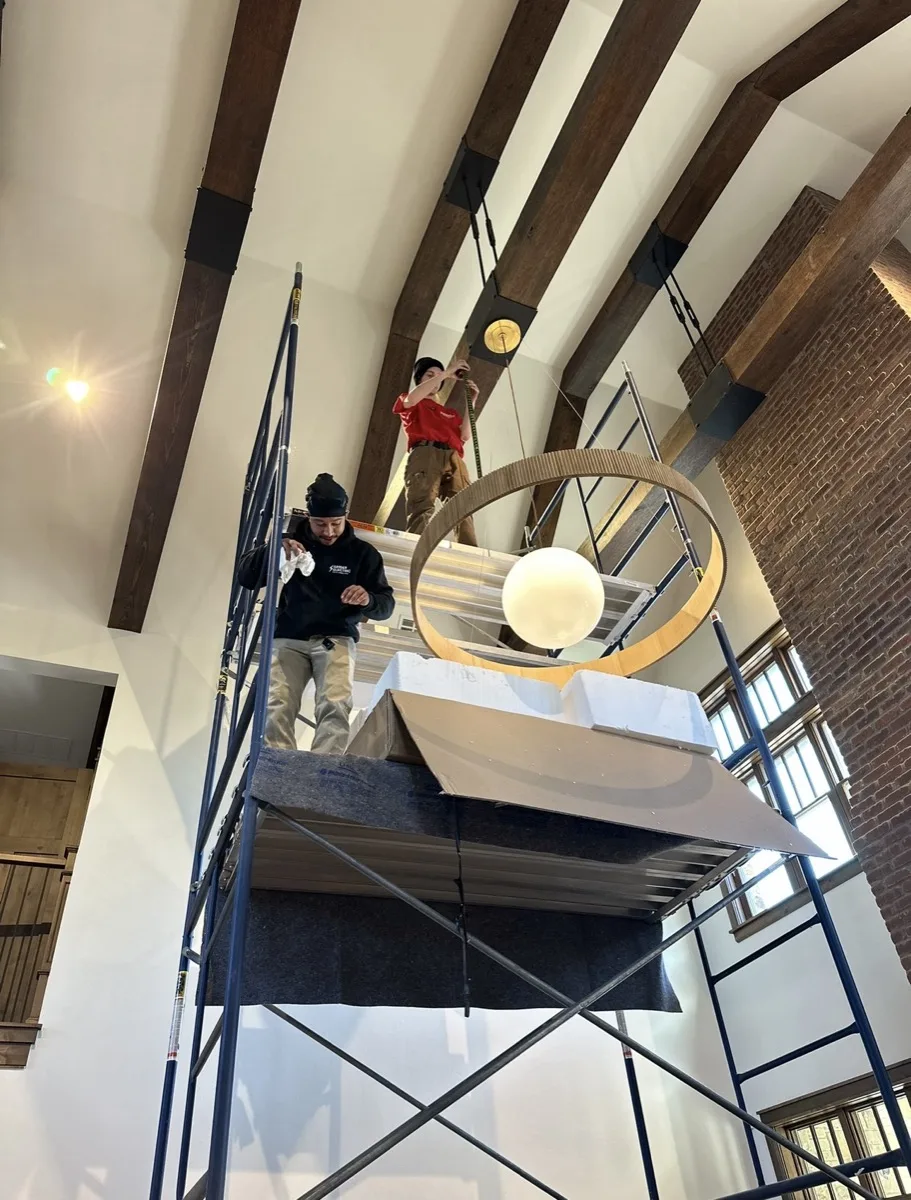
Grider Electric electricians installing a ring chandelier from scaffolding in an Oklahoma City home
Pricing guidance

What drives the cost of an inspection.

An inspection is priced on time and thoroughness, so here's what genuinely moves the cost:

  • The size of the house and how many services it has. Sampling devices, checking alarms, and mapping circuits all scale with square footage and room count - a 1,200 square foot ranch and a 4,000 square foot two-story are not the same afternoon. A main panel plus a garage subpanel plus a feeder to a detached shop also means three services to evaluate rather than one.
  • Access to the equipment. A walk-in attic and an open crawlspace go quickly. A low attic packed with storage, a panel behind shelving, or a finished basement with no accessible runs adds real time.
  • Depth of scope and who has to accept the report. A condition assessment with device sampling is different from testing every receptacle or tracing and labeling every circuit, and documentation an insurance carrier or lender will accept sometimes needs specific items addressed and photographed. Tell us who's going to read it and we'll tell you which scope your situation actually calls for.
  • The age of the home and its wiring type. Homes with aluminum branch circuits, cloth-insulated conductors, or knob-and-tube remnants take longer to evaluate carefully, because the condition of those systems varies wildly house to house.
  • Turnaround. A report needed inside a short option period may have to be worked into the schedule differently than one with no deadline.

You get the price in writing before we schedule, and the report is yours whether or not you hire us for a single correction. We also partner with Wisetack for financing on approved credit. See financing details.

FAQ

Safety inspection questions we hear most.

How long does an electrical safety inspection take?

Most take a few hours on site. Square footage, the number of panels and subpanels, whether there are detached structures, and how reachable the attic and crawlspace are all change that. We give you an estimated window when we schedule so you can plan the day.

What do I actually get at the end?

A written report with photos, in plain language, with the findings sorted by urgency. It is yours to keep and yours to share with a lender, an insurance carrier, an agent, or another electrician. The report is the deliverable, not a bid sheet.

Is this the same as the electrical section of a home inspection?

No. A general home inspection covers every system in the house in a few hours, so it is broad by design and often ends with a line recommending evaluation by a licensed electrician. This is that evaluation - one system, in depth, by an electrician who works on this equipment every day.

Do I have to hire you for any repairs you find?

No, and we do not price the inspection as though you will. You can take the report to any licensed electrician you want. If you would like us to quote the corrections, we will do it as a separate written estimate you are free to turn down.

How do I know you are not just finding things to sell me work?

Because the report separates immediate safety concerns from items that should be corrected from things that are simply older than current code but not dangerous, and it says which is which. Plenty of inspections end with us telling a homeowner the system is in good shape. If that is the honest answer, that is the answer you get.

Can you get it done before my closing date?

Tell us the date when you call and we will tell you straight whether we can hit it. Real estate timelines are the most common reason people call us for this, so we schedule around option periods and closings when we have the room to.

Related services

Where an inspection usually leads.

Want to know what you're actually working with?

If there's a closing or an option period on the calendar, the inspection needs to happen early enough that the report can still be used - once you're days from funding, a finding turns into a delay instead of a negotiation. And if there's no deadline at all, that's the best time of all to do it, because nothing about the answer is under pressure.

Call and talk to a real person, get the price in writing before we schedule, and know that if anything isn't right after we leave, Grider always makes it right. Grider Electric is licensed and insured, based in north Oklahoma City, and works on homes and new construction only - serving Oklahoma City, Edmond, Arcadia, Guthrie, Yukon, Moore, Norman, Mustang, Piedmont, Bethany, The Village, Nichols Hills, and the Deer Creek area.

← All services